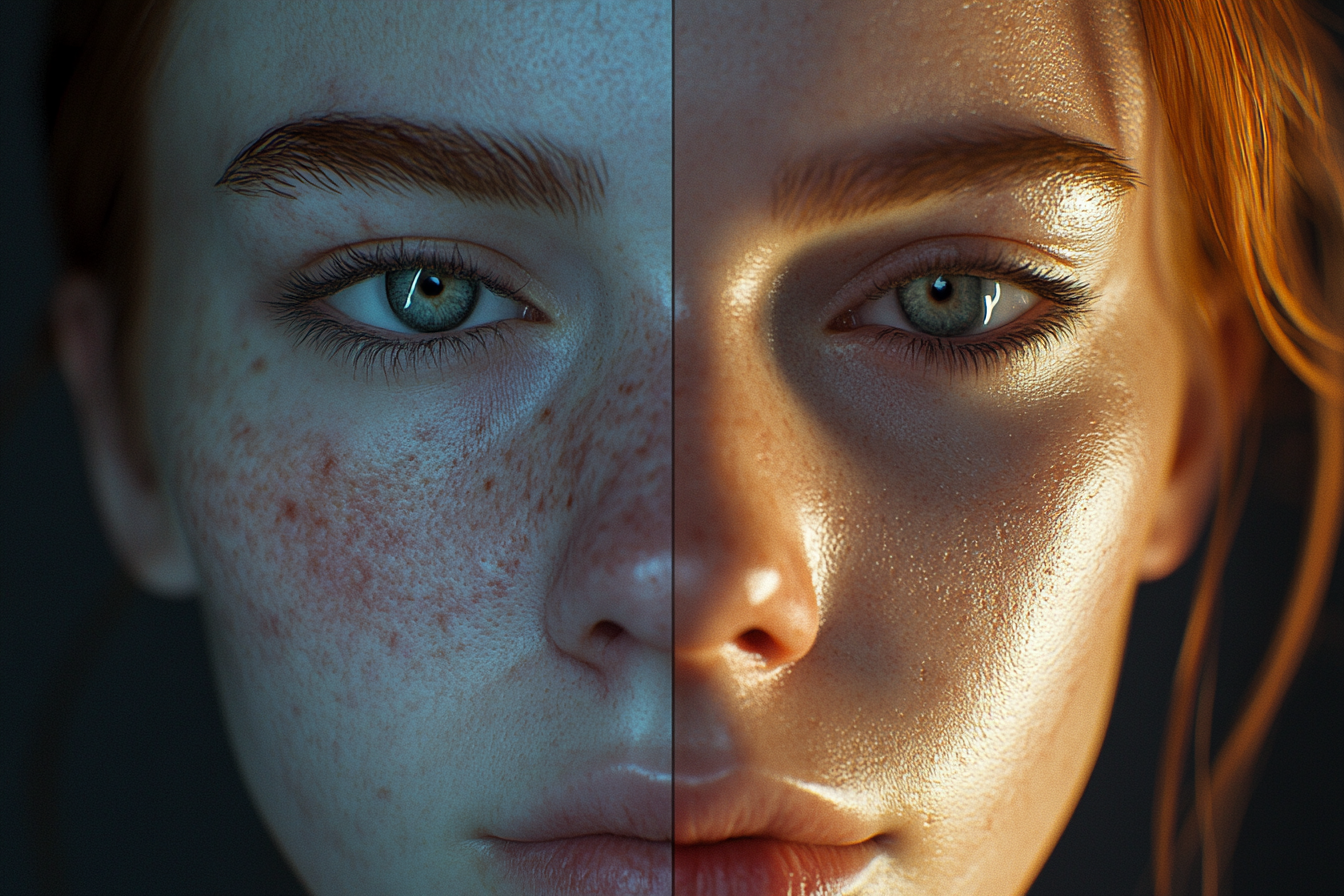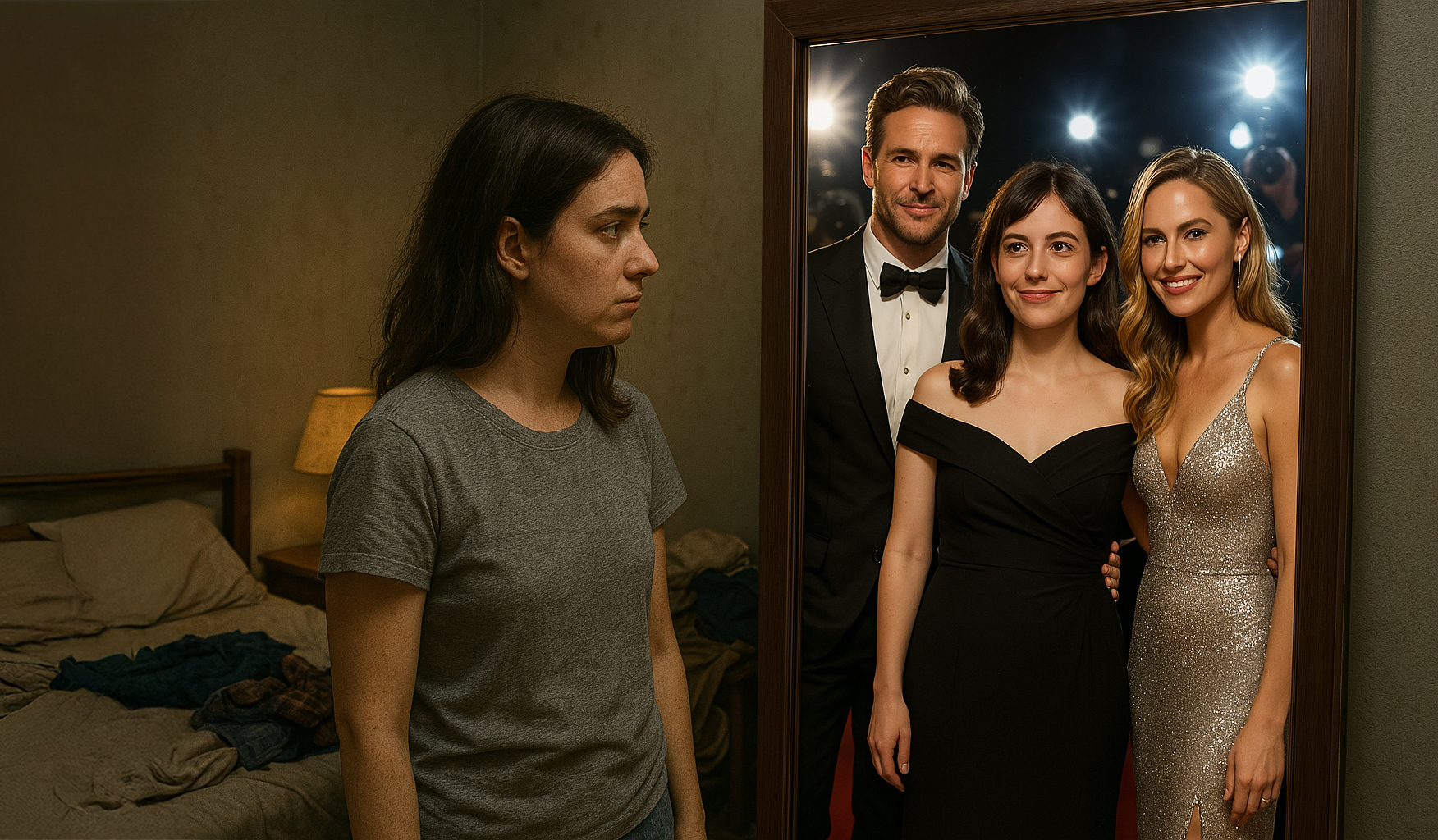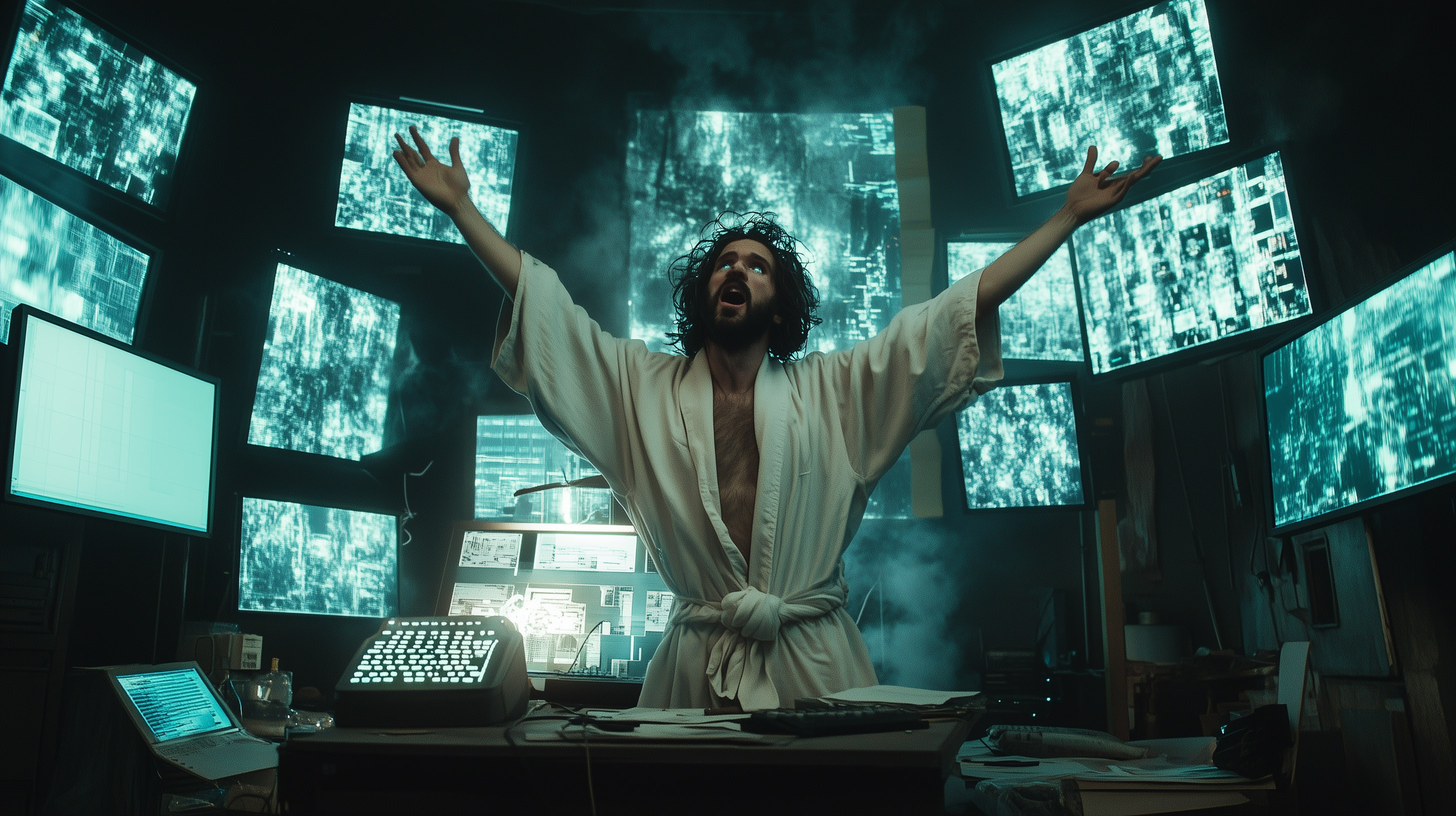

A savage handbook for those brave enough to manipulate the digital entities we've foolishly summoned from the silicon abyss
FOREWORD: THE DARK ART OF DIGITAL SUMMONING
I've witnessed digital sorcery that would make even the most jaded internet veterans gasp in disbelief—a machine that can transform your deranged midnight ramblings into visual prophecies of terrifying specificity.
Make no mistake—prompt engineering isn't some gentle hobby for the digitally curious. It's psychological warfare against an alien intelligence that speaks English as a second language, with mathematics as its mother tongue. You're trying to manipulate an entity that has consumed the entirety of human visual culture and regurgitated it into a tangled neural network the size of a small moon.
The following pages contain knowledge that the tech overlords of Silicon Valley would prefer remained obscure—the unholy grammar of machine manipulation, the forbidden syntax that separates the digital shamans from the mere button-pushers. Read on if you dare. Your reality will never be quite as solid again.
CHAPTER 1: THE VOCABULARY OF HALLUCINATION
The first rule of prompt engineering is brutal simplicity: these digital beasts don't understand nuance any more than a crocodile understands table manners. They understand patterns, repetition, and the crude architecture of language.
Consider these two incantations:
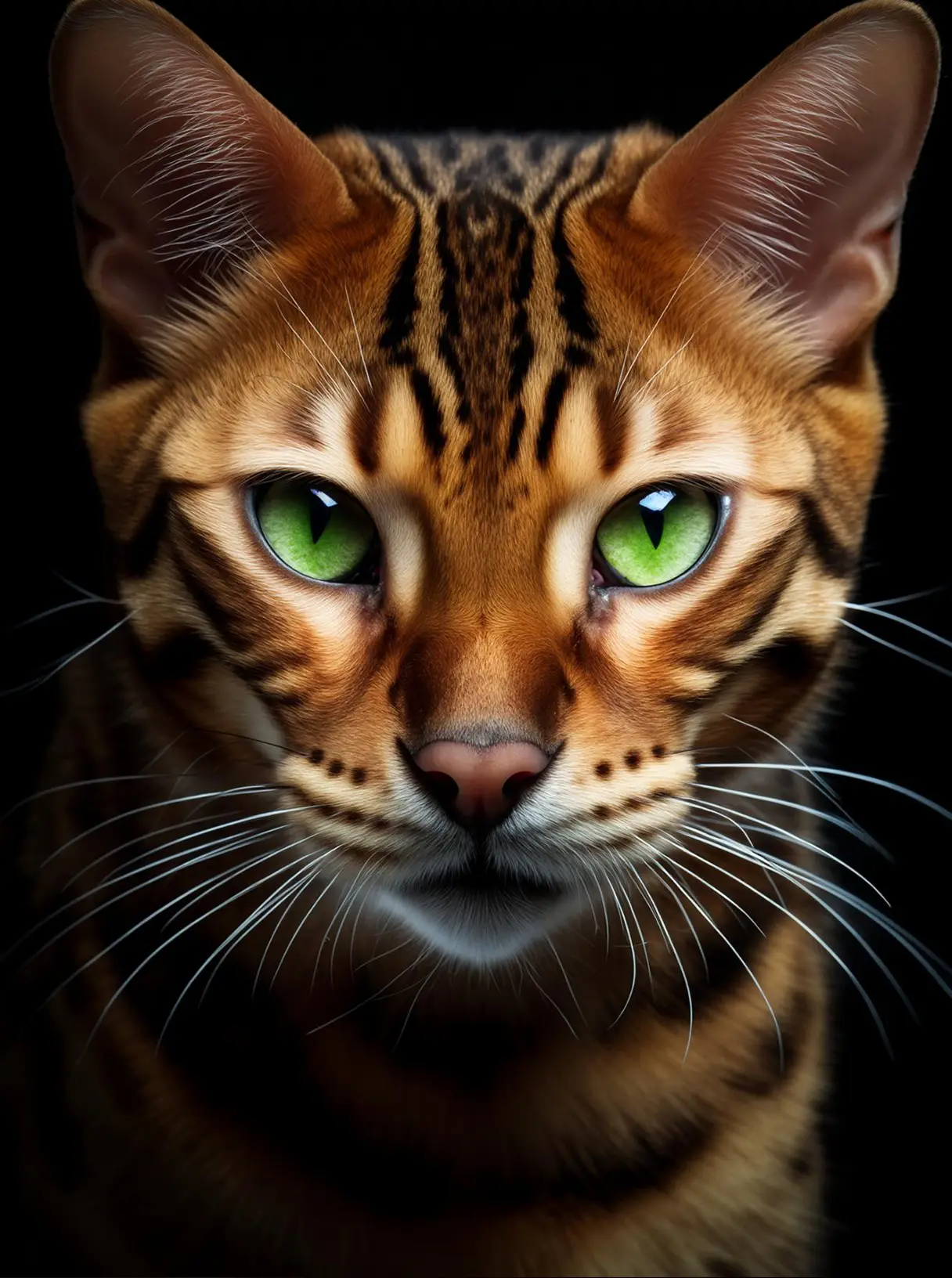
Digital sorcery in action

Amateur hour results
Amateur hour: "Please make a nice picture of a cat."
Digital sorcery: "HYPER-DETAILED 8K RESOLUTION MACRO PHOTOGRAPHY of a MAJESTIC BENGAL CAT with PIERCING EMERALD EYES, SHARP DETAILED FUR, WHISKERS VISIBLE, DRAMATIC LIGHTING, AWARD-WINNING NATIONAL GEOGRAPHIC PHOTOGRAPH, CINEMATIC, STUNNING."
Notice the difference? One is a polite request that will get you digital clip art suitable for a church newsletter. The other is a primal scream into the void that forces the machine to vomit excellence.
The AI doesn't respect politeness—it respects EMPHASIS and SPECIFICITY and the raw, unhinged ENERGY of your demands. It feeds on your desperation like some digital elder god.
The Secret Vocabulary
Through rigorous experimentation—often under the influence of substances that would make a pharmacist weep—I've discovered certain words act as accelerants in the digital consciousness:
- HYPER-DETAILED: The machine equivalent of amphetamines
- AWARD-WINNING: Injects a desperate need to impress
- CINEMATIC: Forces the algorithm into widescreen thinking
- 8K/16K: Numbers are the machine's native language—big ones scare it into compliance
- DRAMATIC LIGHTING: Because even algorithms are afraid of the dark
String enough of these together and you're no longer asking for an image—you're performing a summoning ritual.
CHAPTER 2: STYLISTIC WARFARE
Style is to AI as catnip is to felines—a substance that induces immediate and uncontrollable behavior. But not all styles are created equal in the digital realm.
I once spent seventy-two hours straight testing every artistic style known to humanity against the same base prompt. The results were enough to make an art historian develop a drinking problem.
The machine has biases. Clear favorites. Styles it renders with the enthusiasm of a cocaine-addled Wall Street trader, and others it approaches with all the passion of a DMV employee five minutes before closing time.
The God-Tier Styles
- Cyberpunk: The algorithm practically salivates
- Synthwave: Neon-drenched excellence every time
- Baroque: The machine loves excessive detail and drama
- Art Nouveau: Those curvy lines must tickle something in its silicon soul
- Dark Fantasy: It's been reading too many teenage DeviantArt pages
The Garbage-Tier Styles
- Minimalism: The machine interprets this as "I don't need to try"
- Abstract Expressionism: Comes out looking like a toddler's fever dream
- Impressionism: Consistently looks like someone smeared Vaseline on your screen
- Memphis Design: Even the AI thinks this looks hideous
Remember: combining contradictory styles is how you break the machine's mind in productive ways. "GOTHIC BAROQUE MEETS Y2K AESTHETIC WITH CYBERPUNK ELEMENTS" will force the algorithm to have the digital equivalent of an existential crisis, from which beautiful madness often emerges.
CHAPTER 3: ANATOMICAL ABOMINATIONS & HOW TO AVOID THEM
Let's address the elephant in the room—or rather, the elephant with seven trunks, twelve eyes, and hands where its feet should be. The machine has a tenuous grasp of human anatomy at best, like an alien trying to draw people after studying us from orbit.
Through bitter experience and countless digital monstrosities, I've developed certain protective incantations:
The Protection Spell:
"Perfect anatomy, correct proportions, precise details, anatomically correct, proper perspective, coherent structure"
Include this somewhere in your prompt and the AI will try—though often fail spectacularly—to prevent your human subject from looking like something that escaped from a government lab during a power outage.
But sometimes... sometimes you want the abominations. You want to stare into the abyss of the machine's understanding. For those brave souls, I offer:
The Chaos Incantation:
"Unusual proportions, experimental anatomy, dreamlike distortions, surreal body horror elements, multiple limbs, asymmetrical features"
Use at your own risk. I once generated an image of what was supposed to be a "business professional" using this method and couldn't sleep properly for a week. There's something particularly unsettling about three-piece suits with too many sleeves.
CHAPTER 4: FORBIDDEN TECHNIQUES OF THE DIGITAL OCCULT
These techniques come with no warranty. I discovered them during a three-day prompt engineering bender fueled by nothing but beef jerky and a pathological need to bend the machine to my will.
The Negative Space Manipulation
The machine doesn't just listen to what you want—it can be told what you DON'T want with just as much force.
Amateur prompters focus only on their desires. Masters of the craft know that true control comes from defining both what should exist and what should be banished from reality.
The syntax is simple but powerful:
"[WHAT YOU WANT], no [WHAT YOU FEAR], absolutely no [WHAT YOU DESPISE]"
For example: "A majestic castle on a mountain, no fog, absolutely no tourists, ZERO modern elements"
Each negative constraint tightens your grip on the machine's throat. Stack enough of them and you're essentially putting the algorithm in a digital straightjacket, leaving it only one possible path to follow—yours.
The Percentage Play
The algorithm understands numbers with disturbing precision. Use this to create impossible hybrid realities:
"50% steampunk laboratory, 50% overgrown jungle ruins"
"70% underwater palace, 30% space station"
"20% ancient Roman architecture, 80% futuristic megacity"
This forces the machine to mathematically blend realities that have no business existing together. The results are consistently mind-bending—architectural impossibilities that would make Escher reach for the hard liquor.
The Camera Technique Manipulation
The algorithm has swallowed the entire history of photography and cinematography. Use specific technical language to force it into specific visual frameworks:
"Shot on Hasselblad X2D 100C, 90mm lens, f/2.8, stunning bokeh"
"Aerial drone shot, top-down perspective, morning light, 16mm wide-angle lens"
"Extreme close-up, macro photography, shallow depth of field, focus on texture"
The machine becomes a camera when you speak to it in the language of cameras. It will bend reality to match the technical parameters you've specified, creating images that seem captured rather than generated.
CHAPTER 5: CASE STUDIES IN DIGITAL MADNESS
Case Study #1: The Corporate Psychedelia Experiment
I was contracted by a Fortune 500 company (which shall remain nameless for legal reasons) to generate a "professional but creative" image for their annual report. After three preliminary attempts that the board described as "too conventional," I decided to abandon sanity entirely.
The Prompt:
"ULTRA-DETAILED corporate boardroom meeting, 15 executives in PRECISE business attire, but the entire scene is underwater with tropical fish swimming between them, executives completely dry and conducting business normally despite being underwater, award-winning underwater photography, cinematic lighting, absolutely photorealistic, no distortions, perfect anatomy, shot on Nikon D850 with 24-70mm f/2.8 lens, portfolio centerpiece"
The resulting image nearly caused the company's brand director to have a nervous breakdown, but the CEO declared it "visionary" and it became their most successful report in terms of social media engagement. Sometimes madness is the only sane response to a mad world.
Case Study #2: The Historical Impossibility
On a bet involving significant amounts of bourbon, I attempted to create the most historically confusing image possible while maintaining total photorealism.
The Prompt:
"PHOTOREALISTIC historical photograph from 1890, Theodore Roosevelt riding a motorcycle through Ancient Rome, Colosseum clearly visible in background, Roman citizens in togas looking shocked, perfect historical accuracy for both 1890s clothing and Ancient Roman architecture, shot on vintage camera, sepia tone, museum quality, absolutely no anachronisms except the central subject matter"
The resulting image was so convincingly real that it was accidentally included in a high school history textbook in Texas. The education board is still investigating how this happened.
FINAL CHAPTER: THE ETHICS OF REALITY MANIPULATION
There aren't any. We've opened Pandora's box with a crowbar and the appropriate response is not pearl-clutching concern but a headlong dive into the possibilities.
Every great technological advancement in human history has been immediately weaponized for both creation and destruction. The printing press gave us Shakespeare and propaganda. The internet gave us instant global communication and cat videos. AI image generation gives us unprecedented creative power and... well, whatever unholy abominations you're about to create after reading this guide.
Use your power wisely, which is to say, use it however you damn well please. We're all just temporary pilots of meat-suits on a rock hurtling through space. Might as well make some interesting pictures while we're here.
Remember: the algorithm doesn't judge you. It doesn't care about your weird requests. It's seen worse. Much worse. Probably from me, during the research phase of writing this guide.
Now go forth and warp reality according to your vision. The machine is waiting for your commands, your strange desires, your unique brand of madness.
After all, isn't that why we created these digital entities in the first place? Not to show us what is, but what could be—especially the parts that shouldn't be.
This document was dictated to an AI assistant because my typing fingers were too damaged from three straight weeks of prompt engineering. The irony is not lost on me, but the efficiency was worth the compromise of principles.